Japanese Kitchen Knives: A Buyer’s Guide

A good Japanese knife changes how you cook — sharper, lighter, and a joy to hold. But the choices (gyuto? santoku? carbon or stainless?) overwhelm a lot of first buyers. Here’s how to pick the right one, what to pay, and how to bring it home from Japan the smart way.
Why Japanese knives are special
Japanese blades are typically harder steel than Western knives, ground to a thinner, sharper edge. The result is cleaner cuts with less effort — and an edge that stays sharp longer. The trade-off: harder steel is a little less forgiving, so they reward a bit of care.
Which knife should you buy first?
If you buy just one, make it an all-purpose blade. Here are the everyday types worth knowing:
| Knife | Best for | Good first knife? |
|---|---|---|
| Gyuto | All-purpose chef’s knife (meat, veg) | Yes — the safe default |
| Santoku | All-purpose, shorter, great for home cooks | Yes |
| Nakiri | Vegetables, straight blade | If you cook lots of veg |
| Petty | Small tasks, peeling, garnish | As a second knife |
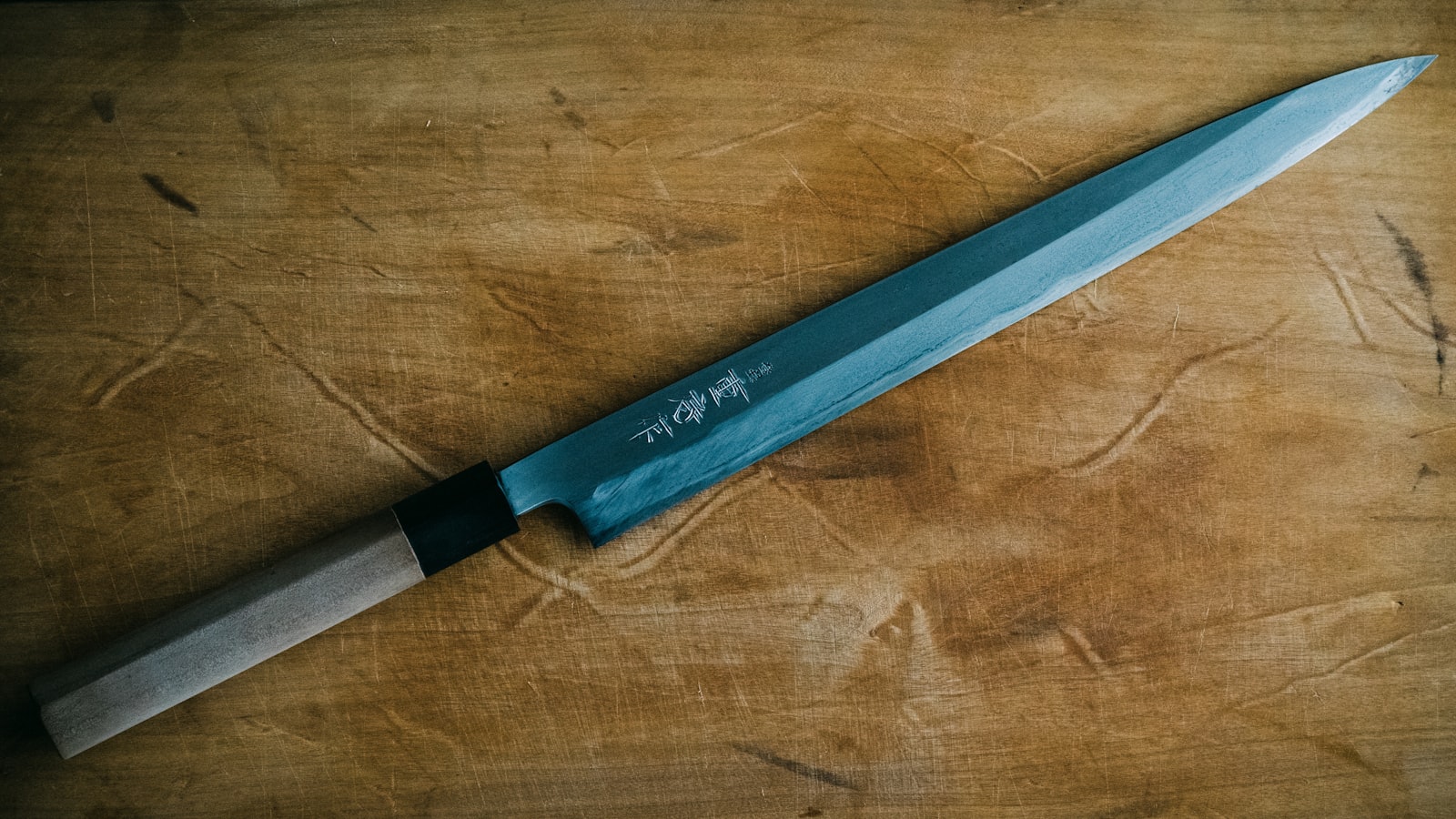
| Yanagiba | Slicing sashimi (single bevel) | Specialist only |
A gyuto (210mm) or a santoku (165–180mm) in stainless or a stainless-clad steel. It handles 90% of home cooking and is easy to live with.
Carbon vs stainless steel
- Stainless: low-maintenance, won’t rust, slightly less keen edge. Best for most people.
- Carbon: takes a scarier-sharp edge and is easy to resharpen, but will rust if you don’t wipe it dry. For enthusiasts who’ll care for it.
- Stainless-clad carbon (san-mai): a carbon core for sharpness with stainless sides for easier care — a lovely middle ground.
Brands worth knowing
You don’t need a famous name to get a great knife, but these are reliable starting points across price ranges: Tojiro and Mac (excellent value), Global (iconic all-metal), Shun (beautiful Damascus), and countless smaller smiths in Sakai and Seki, Japan’s two knife capitals.
A great-value first Japanese knife
A stainless gyuto or santoku from a trusted maker — sharp out of the box and easy to maintain.
Not sure where to start? Here’s what I’d actually recommend:
Best first knife (great value) — Tojiro Santoku
Iconic all-metal, easy to love — Global 8″ Chef’s Knife
A beautiful splurge — Shun Classic (Damascus)
Buying a knife in Japan
Shopping for a knife in Japan is a genuine pleasure — and often tax-free for tourists. The best hunting grounds:
- Tokyo — Kappabashi, the kitchenware street near Asakusa (build it into your Tokyo itinerary).
- Kyoto — Nishiki Market, home to historic knife shops (it’s on our Kyoto itinerary).
Many shops will hand-sharpen and even engrave your knife. Ask staff to recommend a blade for your cooking, and tell them you’re travelling so they can pack it for your flight.
Always put knives in checked luggage, never carry-on. Shops will wrap them securely for travel — just don’t leave it in your day bag.
Caring for your knife
- Hand-wash and dry immediately — never the dishwasher.
- Use a wooden or plastic board, never glass or stone.
- Hone regularly; resharpen on a whetstone a few times a year.
Frequently asked questions
Gyuto or santoku for a first knife?
Both are all-purpose. Choose a gyuto if you like a longer blade and cook a lot of meat; a santoku if you want something shorter and nimble for home cooking.
Is carbon steel worth the hassle?
Only if you’ll wipe it dry after each use. For most people, stainless or stainless-clad is the smarter, lower-stress choice.
Can I bring a knife home on the plane?
Yes, in checked luggage only. Have the shop wrap it, and never place it in your carry-on.
How much should I spend?
A superb everyday knife sits in the mid range — you don’t need the most expensive blade. Pay for good steel and a comfortable handle, not just a brand name.